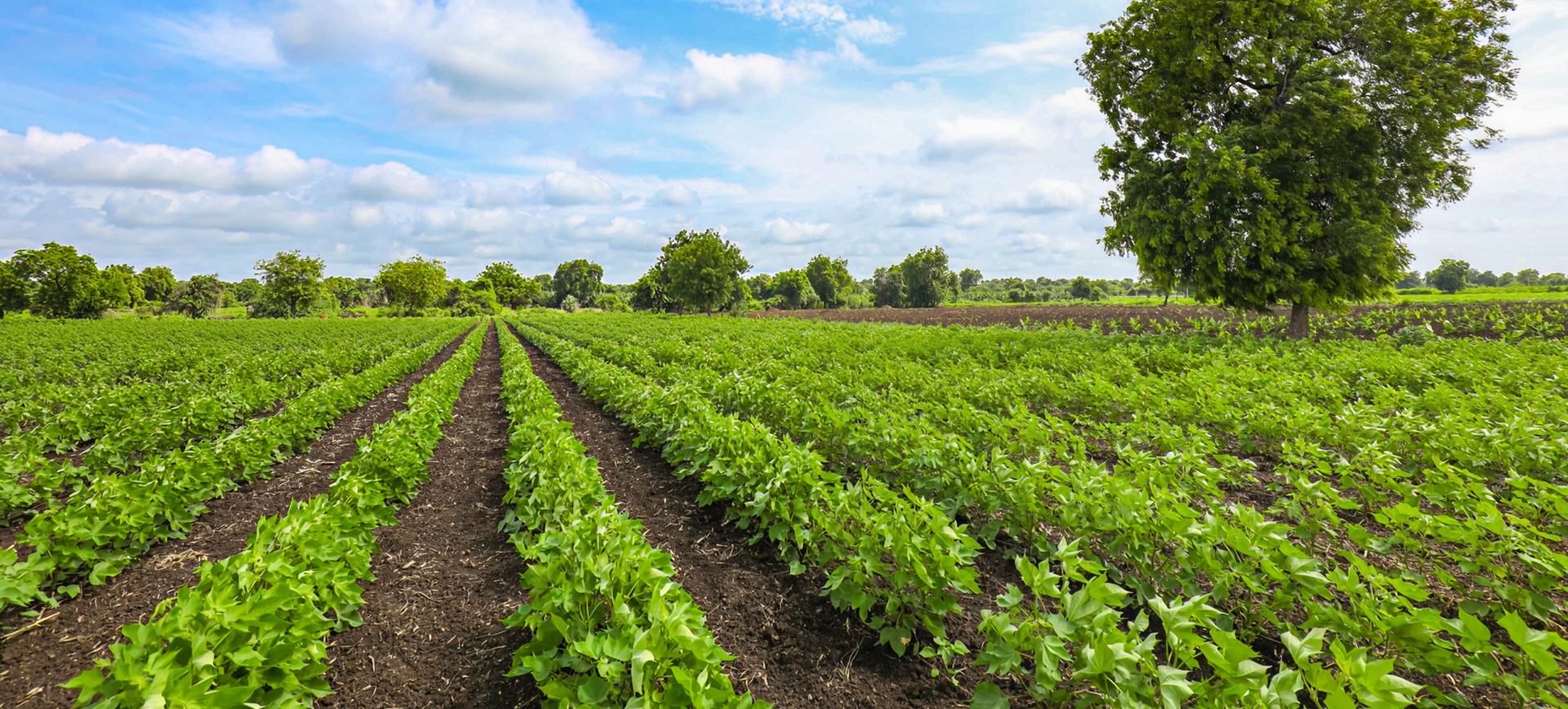
Sustainable agriculture tips to revive traditional farming
Sustainable agriculture revives traditional farming by integrating time-tested practices like crop rotation and natural inputs with modern organic solutions for resilient soil health. These sustainable farming practices empower local farmers to restore soil fertility while embracing the future of agriculture without chemicals.
Roots of Traditional Farming:
Traditional methods such as no-till farming, intercropping and bullock plowing preserved soil structure and biodiversity for generations. They emphasized harmony with nature, using organic manure from livestock and crop residues to maintain soil fertility in organic agriculture. Reviving these reduces erosion, enhances water retention and supports organic farming today.
Traditional compost heaps from farm waste, key to reviving sustainable agricultural practices.
Key Revival Tips:
-
Crop Rotation and Diversity: Alternate crops to naturally fix nitrogen and break pest cycles, boosting yields sustainably.
-
No-Till with Cover Crops: Minimize soil disturbance; plant legumes to protect and enrich soil health.
-
Organic Manure Integration: Use fermented organic manure (FOM) at 150 kg/acre basally to mimic ancestral composting.
-
Liquid Boosts: Apply liquid fermented organic manure (LFOM) diluted 1:50 foliarly for quick nutrient uptake during growth.
-
Agroforestry and Mulching: Plant trees alongside crops; mulch to retain moisture like indigenous methods.
These farming solutions align traditional wisdom with biofertilizer for agriculture farming.
Start with fermented organic manure to rebuild soil fertility.
Environmental Benefits:
These agricultural solutions promote organic agriculture effectively.
Try fermented organic manure to start your transition.
Step-by-Step Implementation:
-
Test soil for pH and nutrients to identify gaps.
-
Introduce FOM and cover crops in off-seasons for microbial revival.
-
Spray LFOM every 15 days to accelerate traditional benefits.
-
Rotate crops annually, incorporating biofertilizer for nitrogen.
-
Monitor via field reports for yield gains in 3-6 months.
Sustainable farming practices yield 15-25% more resilient crops long-term.
Benefits for local farmers:
These tips cut costs by 20-30%, improve market value of organic produce and ensure climate resilience for the future of agriculture. Enhanced soil fertility supports organic agriculture without synthetic dependency.
Explore agricultural solutions like LFOM for easy adoption.
Overcoming Challenges:
Initial learning curve exists; start small with demos and hybrid inputs like FOM. Community workshops blend indigenous knowledge with sustainable agricultural practices effectively.
FAQ:
1. How does fermented organic manure revive traditions?
It replicates ancestral composting, pathogen-free for fast soil activation.
2. Role of liquid fermented organic manure in sustainable agriculture?
Provides quick foliar nutrients, enhancing traditional crop vigor.
3. Can traditional methods boost modern yields?
Yes, with organic fertilizer for farming, expect sustained 20% gains
4. Best first step for local farmers?
Soil test and FOM application for immediate soil health revival.
5. What defines sustainable farming practices here?
Blending no-till, rotation and biofertilizer for enduring fertility.